
Your trusted partner for real climate impact through clear strategies, high quality CDRs and renewable energy market instruments.
Seevard was born from a vision - to help companies navigate the complex journey toward a sustainable future. Our founders, Per Otto Larsen and Kjetil-Olsen, have spent over 20 years at the forefront of the carbon management, GHG and ESG solutions. From founding Cemasys in 2007 to growing it into one of the leading software and consultancy firms in the Nordics by 2026, they have guided hundreds of organizations in turning climate ambition into action.
Over the past two decades, we've worked with more than 500 companies—large and small—helping them develop credible climate strategies, achieve SBTi-aligned targets, implemented carbon accounting and reporting, assess climate risks, and leverage the full potential of carbon credits and Carbon Dioxide Removals (CDRs).
Our experience spans the intricacies of the energy markets and the global ESG landscape, including frameworks like SBTi, CDP, EFRAG, the GHG Protocol, Verra, Gold standard, and more.
We provide high-integrity carbon credits for companies seeking to strengthen their climate strategy with credible and measurable emission reductions. Our offering includes both Carbon Dioxide Removal (CDR) and Carbon Avoidance credits, with a particular focus on Blue Carbon projects – especially mangrove restoration.
Mangrove restoration is among the most effective nature-based solutions for long-term carbon storage. These projects sequester large amounts of CO₂ for extended periods while delivering important co-benefits such as biodiversity protection, coastal resilience, and support for local communities.
All credits we supply come from well-established certification standards such as Gold Standard and Verra, and every project meets the ten Core Carbon Principles (CCPs) defined by ICVCM (The Integrity Counsil for the Voluntary Carbon Market). This ensures high quality, verified results, and full transparency—allowing companies to invest with confidence in real, measurable climate impact.
We guide companies through the increasingly complex carbon market - covering credit types, methodologies, and frameworks. Our expertise helps clients make informed decisions in a landscape where integrity, pricing and project design vary widely.
We can assemble diversified carbon credit portfolios tailored to strategic, needs, balancing geography, project types, methodologies, and cost to secure both climate impact and value.
For companies looking to invest directly in high-quality carbon projects, we can help to identify opportunities and risks to secure a long-term return potential. Whether credits are intended use or treated as a standalone investment, we help structure portfolios that deliver both financial and climate performance.
We support companies that have committed to Science Based Targets and aim to reach Net Zero. Together with our partner Cemasys—an official SBTi Consulting Partner—we offer deep insight into SBTi methodologies, requirements, and best practices.
This partnership enables us to guide clients through the development of robust Net Zero strategies, including credible reduction pathways, emission boundary definitions, and alignment with SBTi’s latest guidance.
We also help companies establish a practical and effective Build-and-Claim strategy, ensuring that near-term carbon market actions complement long-term decarbonization goals. This approach allows companies to secure high-quality climate impact today while staying fully aligned with the principles and expectations of SBTi on their journey toward Net Zero.
Many companies use Renewable Energy Certificates (RECs)—including Guarantees of Origin (GoO)—to document that their electricity consumption comes from renewable sources. These instruments are widely recognized for reducing Scope 2 emissions and play an important role in corporate decarbonization strategies.
Through our partner network, we offer access to high-quality Renewable Energy Certificates as well as Renewable Gas Certificates, enabling companies to document the use of biomethane or other renewable gas sources in a credible and transparent way.
By leveraging these certified instruments, organizations can strengthen their climate reporting and demonstrate real progress toward their sustainability targets.
The climate transition is accelerating, but for many companies the path forward has never been more complex.
Regulations are tightening, expectations from investors and customers are rising, and the margin for vague commitments or low-quality solutions is rapidly disappearing.
At the same time, the choices made today—about targets, technologies, and carbon removal—will shape credibility, competitiveness, and impact for decades to come.
In this landscape, clarity is not optional. Trusted guidance is essential to distinguish real progress from risk, and to turn climate ambition into durable, value-creating action.
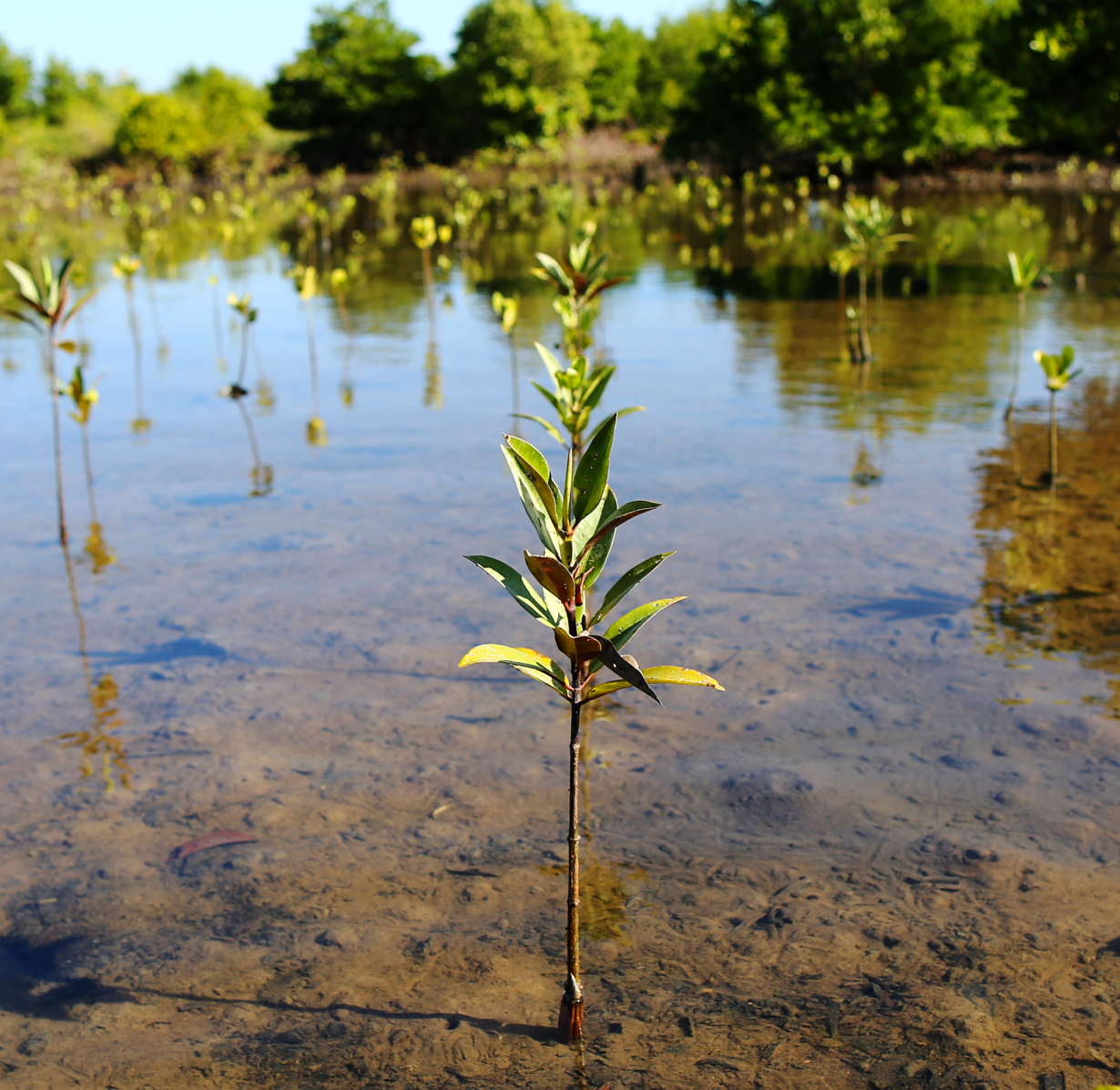
Seevard was born from a vision - to help companies navigate the complex journey toward a sustainable future. Our founders, Per Otto Larsen and Kjetil-Olsen, have spent over 20 years at the forefront of the carbon management, GHG and ESG solutions. From founding Cemasys in 2007 to growing it into one of the leading software and consultancy firms in the Nordics by 2026, they have guided hundreds of organizations in turning climate ambition into action.
Over the past two decades, we've worked with more than 500 companies—large and small—helping them develop credible climate strategies, achieve SBTi-aligned targets, implemented carbon accounting and reporting, assess climate risks, and leverage the full potential of carbon credits and Carbon Dioxide Removals (CDRs).
Our experience spans the intricacies of the energy markets and the global ESG landscape, including frameworks like SBTi, CDP, EFRAG, the GHG Protocol, Verra, Gold standard, and more.
Satisfied clients
Planted mangrove trees
Retired credits
The small-scale voluntary Project Activity (VPA) “Water and Climate VPA#1 – Madhya Pradesh, India” aims at providing safe drinking water to rural and tribal communities in the tribal belt of Central India.

The small-scale voluntary Project Activity (VPA) “Water and Climate VPA#1 – Madhya Pradesh, India” aims at providing safe drinking water to rural and tribal communities in the tribal belt of Central India.
The purpose of the project activity is to generate power using renewable energy source (wind energy) and sell the power generated to the Indian grid. The project activity generates electricity using wind energy.
The reforestation program aims at establishing managed plantations of teak (Tectona grandis) in the Southeastern region of Nicaragua. Available land currently used for cattle grazing is assessed following a land analysis protocol which includes technical criteria, as well as social, infrastructure and legal assessment of the land.
The purpose of the project activity is to generate power using renewable energy source (solar energy) and sell the power generated to the state grid. The project activity generates electricity using solar energy.
The proposed project falls under the ARR (Afforestation, reforestation, and Revegetation) category of the Verified Carbon Standard (VCS). The project will be implemented on 2265.47 ha of degraded lands of the Northern part of Ayeyarwady Division of Myanmar.
Gyapa Improved Cook Stoves in Ghana (“the Project”) manufactures and sells efficient charcoal stoves known as Gyapa to replace inefficient baseline stoves popularly known as Coal pots within Ghana.
In 2017 Starboard, the water sports equipment brand, initiated the world’s first plastic offset program (POP). Starboard know they are guilty of playing a contributing role in the plastic industry but are working towards becoming part of the solution by placing an internal price on plastic-based upon usage.
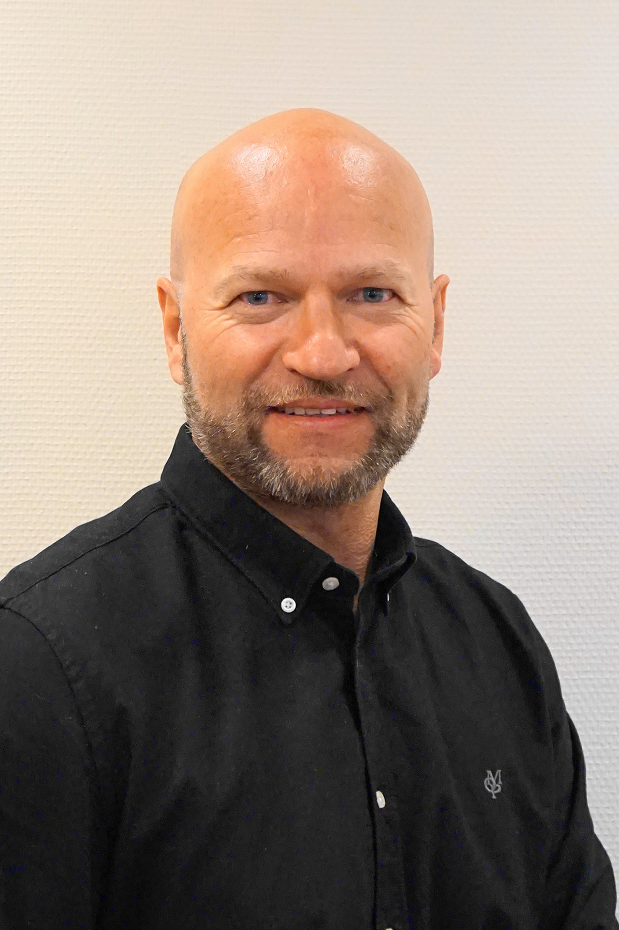
Founder with 30+ years of experience in the energy, carbon, and ESG industries. With a strong focus on sustainable business development, he works closely with our clients to promote efficient solutions. With his deep insight into energy markets, he helps our clients navigate complex energy and decarbonization opportunities.
E-mail: perotto@seevard.no

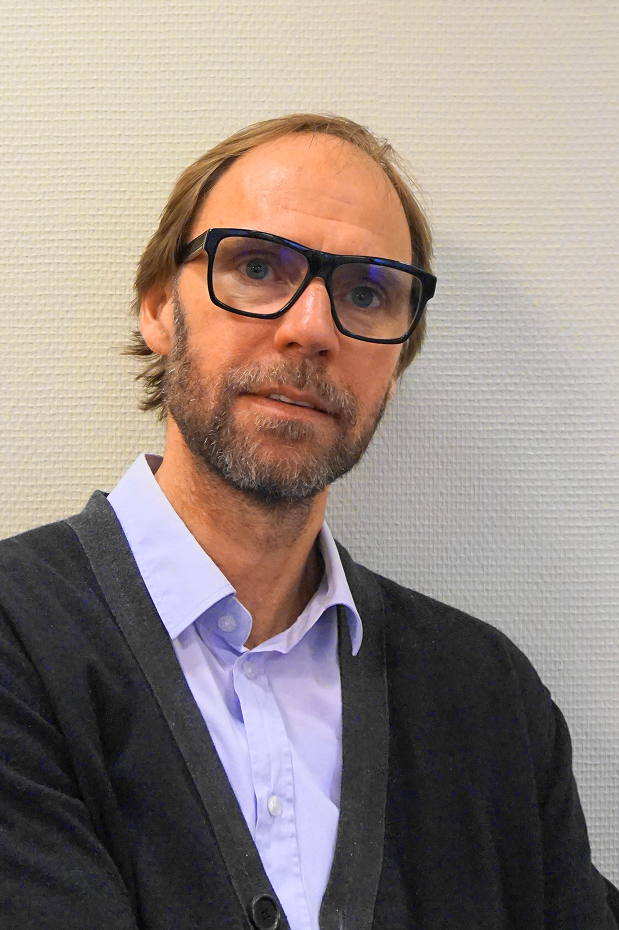
With more than 35 years of experience building and leading companies, he has spent over two decades advising Nordic businesses on ESG and climate strategy. With a background in media and communication, Kjetil combines strategic insight with practical execution, helping clients identify impactful projects aligned with their sustainability ambitions.
E-mail: Kjetil@seevard.no

Diva proudly serves as Seevard’s Chief Office Dog. Her key duties include boosting team morale and offering emotional support. She attends all meetings—usually sleeping peacefully while dreaming about hunting adventures in the forest and mountains.